
Artificial Intelligence (AI) is often associated with robots, automation, or big tech companies. But how ai for social good also important all the buzz, AI is transforming lives in ways most people never hear about. From predicting natural disasters in remote areas to preserving ancient languages that are almost forgotten, AI is becoming a powerful tool for solving real human problems.
Table of Contents
we will explore the lesser-known yet deeply impactful ways AI is being used for social good—especially in places and communities that need help the most.
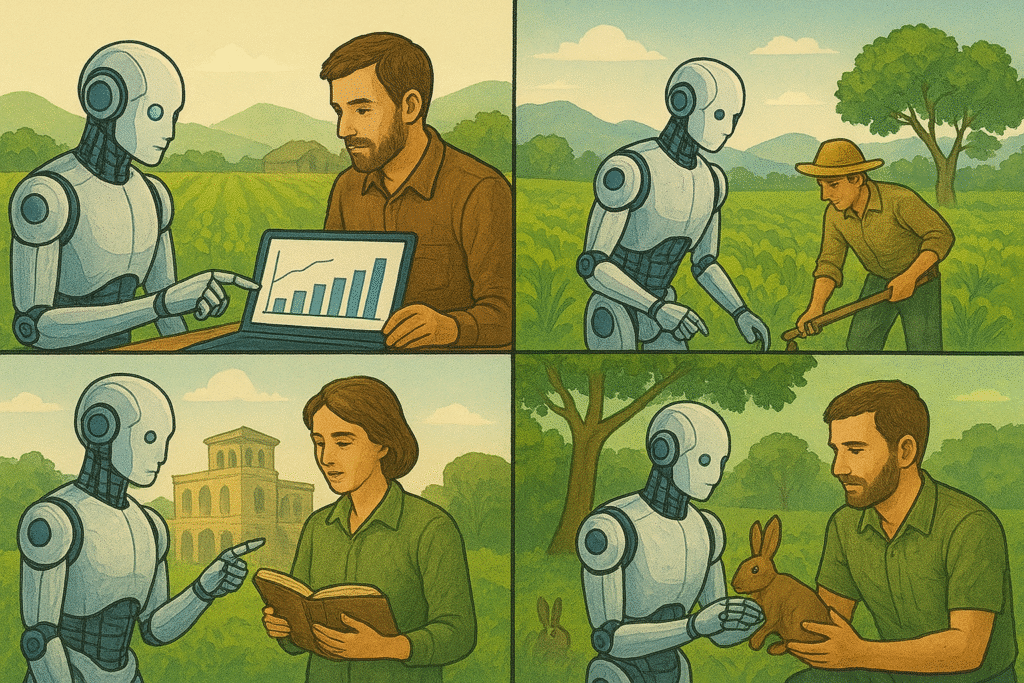
1. AI in Disaster Prediction Floods in India (Google Flood Forecasting System)
REAL EXAMPL: AI Predicting Floods in India (Google Flood Forecasting System)
Google partnered with India’s Central Water Commission to build an AI model that predicts river floods up to 7 days earlier than traditional systems.
How it helps:
- Millions of people get early flood alerts on their phones
- Governments evacuate high-risk areas faster
- Lives and property are saved every monsoon season
📌 Real Impact: The system now covers over 360 million people across India and Bangladesh.
2. AI Advancing Wildlife Conservation:

AI for social good in wildlife protection extends beyond saving animals; it is crucial for maintaining the planet’s ecological balance. Each species contributes to ecosystem stability, and the loss of one can disrupt forests, oceans, climate, and human life. With threats like climate change, habitat destruction, poaching, and pollution escalating, conservation efforts are increasingly vital.
Artificial intelligence (AI) is significantly enhancing these efforts by enabling conservationists to analyze vast environmental data efficiently. AI tools, including cameras and sensors, facilitate effective monitoring of endangered species, while systems that detect suspicious activities help combat poaching. Additionally, AI assists in marine conservation by tracking whale migrations and monitoring coral reef health. Overall, AI is revolutionizing wildlife conservation, making it more effective in safeguarding vulnerable species and ecosystems for future generations.
Detecting Illegal Poaching
Acoustic AI sensors installed in forests can detect the sound of gunshots or chainsaws instantly. Rangers receive real-time alerts, allowing quick action to stop poachers and illegal logging.
AI-Enhanced Drone Monitoring
Drones equipped with AI cameras can identify endangered species, track their movement, and even count animals automatically. This saves hours of manual labor and reduces risks for researchers.
Predicting Migration Patterns
AI models help predict when and where animals will migrate. This prevents conflict between wildlife and local communities—especially in regions where elephants or large animals move through farmland.
EXAMPLE: AI Protecting Wildlife in Africa (PAWS – Protection Assistant for Wildlife Security)
Researchers created PAWS, an AI tool used by rangers in Uganda and Cambodia to stop poaching.
What it does:
- Predicts poaching hotspots
- Suggests patrol routes for forest rangers
- Analyzes patterns of illegal hunting activity
📌 Real Impact: Wildlife poaching dropped drastically in protected forests where PAWS was deployed.
3. AI Supporting People With Disabilities in New Ways

AI is providing freedom and access to millions of people with disabilities. Some innovations are so advanced, yet so many people don’t know they exist. ai helping people to translate languages, speaking for blind people and Robert AI for physical disabilities is helping. They are available at cheap to expensive prices and normal to advanced work system.
AI Gloves for Real-Time Sign Language Translation
Smart gloves with AI sensors can translate sign language gestures into spoken words. This bridges communication gaps and empowers deaf individuals to interact more freely.
Predicting Epileptic Seizures
Wearable devices using AI can monitor brain activity and detect signals that predict seizures before they happen—giving patients time to move to a safe place.
Intelligent Wheelchairs
Modern wheelchairs powered by AI learn a user’s daily routes, preferred speeds, and obstacle patterns. They can navigate tight spaces and avoid accidents, making mobility safer and more comfortable.
4. AI for Clean Water & Sanitation
Clean water is a basic human right, but many rural and underdeveloped regions still lack access to safe drinking water. AI is helping effectively solve this problem .What Are Some Real-Life Examples of AI for water sanitation.
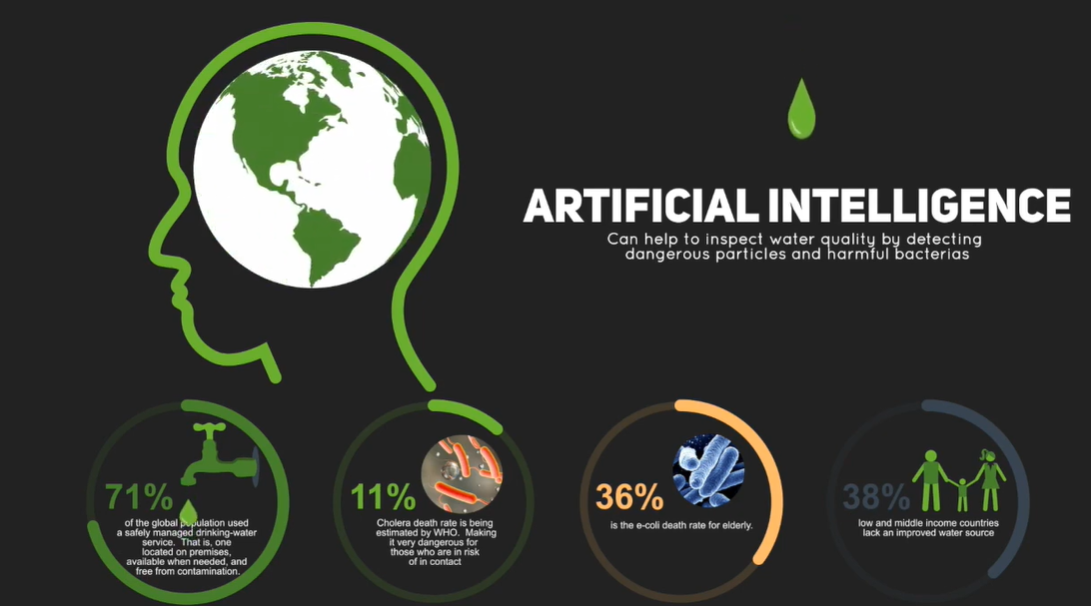
- What Are Some Real-Life Examples of AI?
a. Detecting Water Contamination Using a Mobile Camera
AI apps can analyze water samples by simply taking a picture. The algorithm identifies contamination levels by detecting color, particles, and turbidity — without any expensive lab testing.
b. Predicting Pipe Leaks
AI systems monitor pressure changes in water pipelines and can predict leaks before they occur. This prevents water loss and saves repair costs for communities with limited budgets.
c. Groundwater Quality Monitoring
In areas dependent on wells and boreholes, AI sensors track groundwater health over time, warning communities about harmful bacteria or chemical levels.
EXEXAMPLE OFI FOR SOCIAL GOOD :
What it is:
An AI-powered water quality monitoring device that uses a camera + neural network to detect E. coli, yeast, and other contaminants in real time.
Why it matters:
Detects danger faster than lab tests
Works offline → useful in villages, rural clinics, refugee camps
What it is:
AI surveillance cameras trained to detect:
- Industrial waste discharge
- Sewage overflow
- River pollution patterns
How it helps:
Real-time alerts to pollution control boards → fines + cleanup activity activated immediately.
Used in:
Delhi, Hyderabad, Ahmedabad (pilot programs)
5. AI Empowering Farmers in Poor Reigions
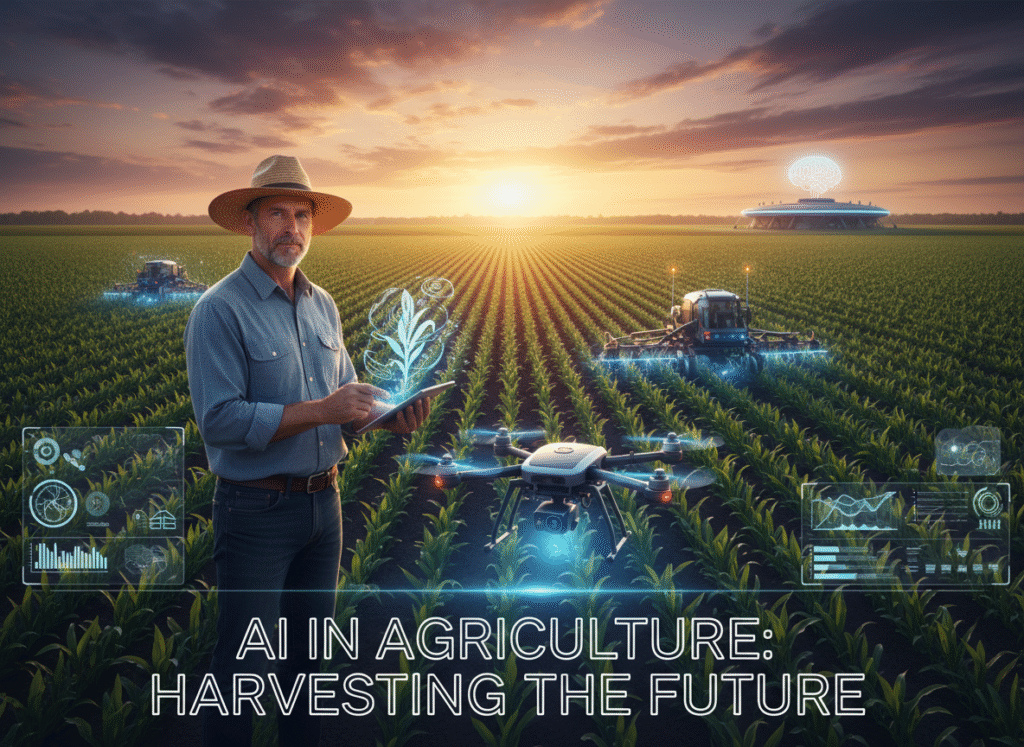
AI for social good in farming playing amazing role. Farming is not only how farmers in developing countries make money; it’s also how their whole economy makes money. A small loss of crops can mean losing a whole season’s worth of money and putting their family’s life in danger. In this case, AI is very helpful.
Thanks to new AI tools, farmers can now get real-time information about the weather, the health of their crops, the quality of the soil, and how much water they need. This helps them choose better. Farmers can use AI-powered prediction models to learn about bad weather, droughts, floods, and possible pest outbreaks before they happen. This gives them a chance to act before things get worse.
AI systems also tell farmers when to plant and harvest their crops.This helps them get more food and waste less. Smart irrigation tools use AI to check the soil’s moisture level and give it the right amount of water. This keeps both too much and too little water from getting through. In places where resources are limited, these technologies help farmers save time, cut down on work, and keep their crops safe. AI is changing traditional farming into a system that is better for the environment, works better, and makes more money in general. This gives small farmers the information and peace of mind they need to keep their crops safe.
a. Identifying Plant Diseases with Phone Cameras
Simple AI apps can diagnose plant diseases from low-resolution images. Farmers receive instant advice on treatment, saving crops and increasing harvests.
b. AI Suggestions for Better Crop Choices
Solar-powered devices analyze soil health, weather patterns, and market prices to suggest the best crops to plant each season — especially helpful for farmers with no access to agricultural experts.
c.Predicting Pest Outbreaks
AI models forecast pest attacks based on regional climate patterns. Early warnings help farmers take preventive measures, protecting food supplies and reducing pesticide use.
REAL EXAMPLE: PlantVillage / Nuru (Kenya & Africa)
What it does: Nuru is a mobile app that uses computer-vision AI to diagnose crop diseases and pests. Farmers simply take a picture of a leaf, and the app identifies the disease.
Impact: Helps smallholder farmers in Kenya improve yields by catching.
6. AI Fighting Critical Social Issues
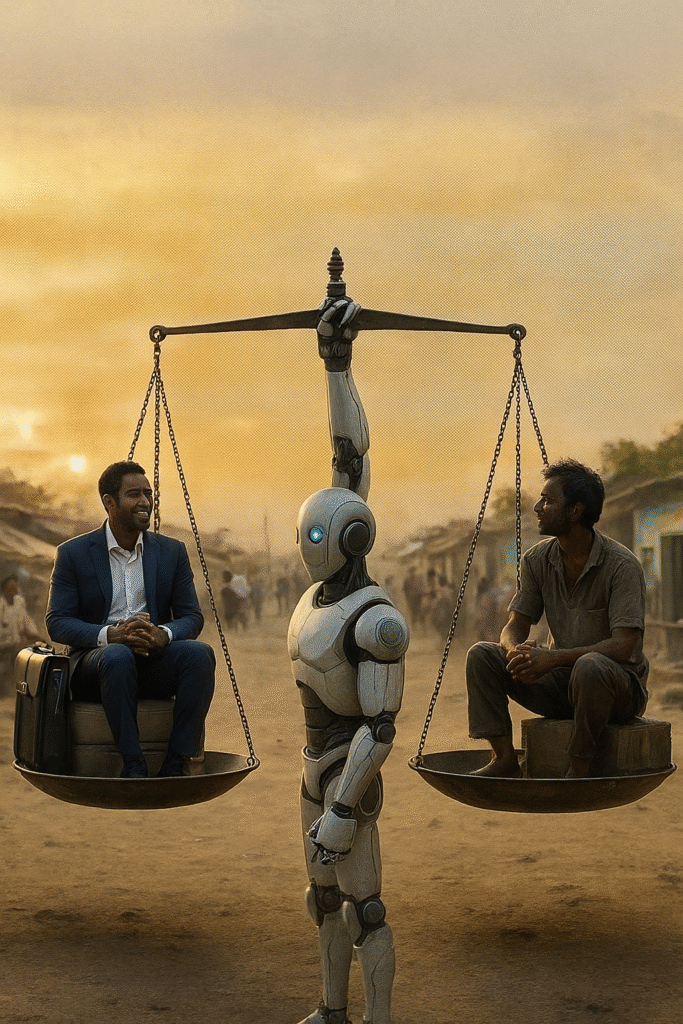
AI is becoming a powerful tool in the fight against critical social issues that affect millions of lives. From poverty and hunger to inequality and climate challenges, artificial intelligence is helping humans understand problems faster and respond more effectively. AI-powered systems can analyze huge amounts of data to identify where communities need support, such as predicting areas at risk of food shortages or tracking the spread of diseases before they become widespread.
It also assists governments and organizations in designing fairer policies, improving access to healthcare, and ensuring vulnerable groups don’t get left behind. In environmental protection, AI monitors deforestation, pollution, and wildlife threats in real time. By combining advanced technology with human decision-making, AI is becoming a vital force for creating safer, fairer, and more sustainable societies.
a. Detecting Human Trafficking NetworksUsing AI to analysis some social issue:
AI analyzes online conversations, suspicious travel patterns, and dark-web activity to uncover trafficking networks. Law enforcement agencies use this data to rescue victims faster.
b. Early Mental Health Support
AI chat tools and apps detect early warning signs of depression or anxiety through speech patterns, writing style, or user behavior. These tools do not replace therapists, but they help people seek support sooner.
c. Protecting Whistleblowers
AI anonymization tools protect/secrete individuals who report corruption or wrongdoing. It hides their identity while preserving the evidence needed for investigation.
7. Challenges & Ethical Considerations
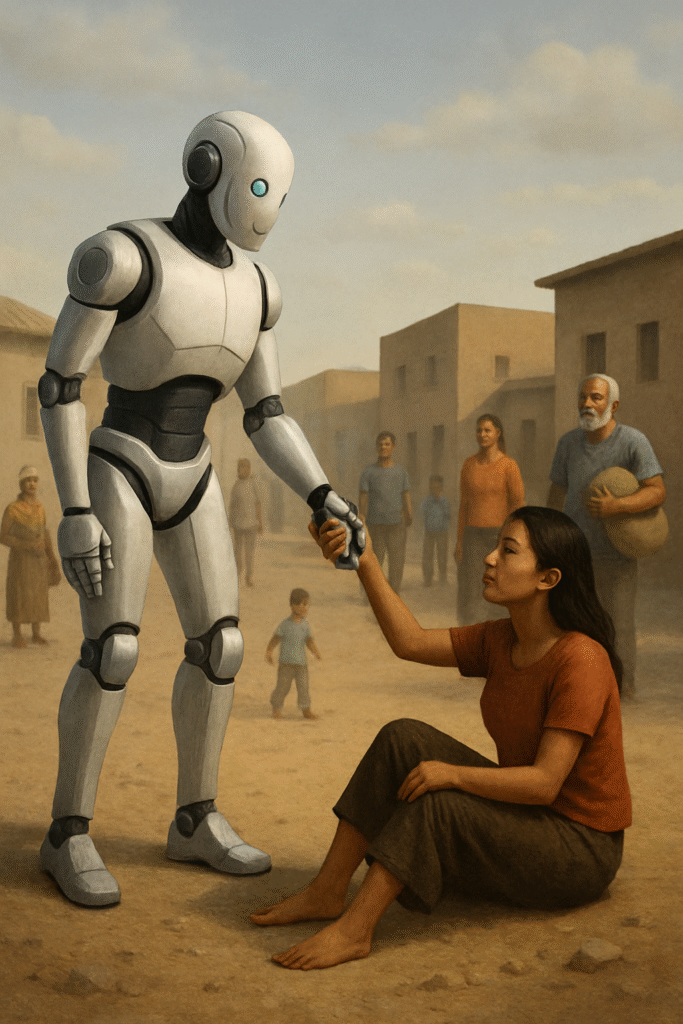
Even with all these benefits, AI must be used responsibly.
- Bias and discrimination can appear if AI models aren’t trained properly.
- Privacy risks exist when dealing with sensitive data like health or personal records.
- Community involvement is essential — AI solutions should support people, not replace them.
To create long-term benefits, AI must be transparent, ethical, and inclusive.
8.Conclusion
AI for social good is more than a trend — it is a quiet revolution happening around us. From saving wildlife to preventing disasters, empowering people with disabilities to preserving ancient cultures, AI is touching lives in powerful and unexpected ways. Their may many other side also unknown ai use cases
These real-world innovations prove that technology isn’t just about convenience or entertainment. It’s about building a better, safer, and more equal world for everyone.
Whether you are a student, developer, writer, or simply curious about technology, you can be part of this positive change. The future of AI is not just smart — it’s meaningful.