
🪄 Interduction
In today’s world, which changes quickly, students are surrounded by technology. One of the most important new technologies in education is artificial intelligence (AI).
AI helps students learn more quickly, understand things better, and keep things in order. It also helps teachers plan better lessons. AI makes learning better and more personalized for each person. Here is some better suggestion teaching and learning tecnic aboutAI For Students Learning , Best way in 2025/2026…
Table of Contents
🤖 What does AI mean in education?
(A Simple Explanation)
Artificial Intelligence is the process of making computers or software that can learn and think like people do. AI helps both students and teachers in school by giving them smart tools that can understand questions, look at data, and give feedback right away.
🔍 Using AI Tools to Learn
- ChatGPT can help you write, think of new ideas, and explain things.
- Google Gemini lets you get answers and make content right away.
- Grammarly makes writing better by making it more accurate and changing the tone.
- Quizlet AI creates AI-powered flashcards for studying.
⚖️Learning the old-fashioned way vs. learning with AI
Traditional learning uses a strategy that works for everyone. AI, on the other hand, makes learning more personal by changing lessons to fit your speed, level, and style of learning.
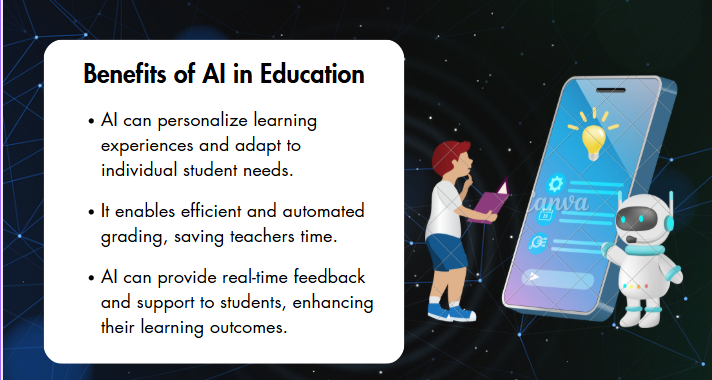
How AI Helps Students
- Improving Language Learning
There are apps like Grammarly, Google Translate, and Elsa Speak that can help you with your grammar, pronunciation, and communication. - Fast feedback
You don’t have to wait for teachers to give you grades anymore! Grammarly and ChatGPT are two tools that can give you feedback on your work right away. - Keeping track of time Notion AI and Microsoft Copilot are two examples of AI tools that can help you keep track of your daily tasks, plan your study time, and meet deadlines.
- 24/7 Learning Support tutors like Socratic by Google or ChatGPT are always available — even at midnight — to explain tough topics.
- Help with learning all the time, every day
AI teachers like Google’s Socratic and ChatGPT are always ready to help you with tough topics, even at midnight.
Enhancing Education: AI tools For Students Learning
✍️ The best AI tools for students learninng:
a. Writing and research
- ChatGPT: For writing essays, summaries, or explanations of subjects.
- QuillBot: To change the wording and make things clearer.
- Grammarly: To fix grammar and change the tone.
- Research Rabbit: To help you keep track of the things you need for your academic research.
- Google’s Socratic: helps you with your homework by giving you answers one step at a time.
b. Writing down notes and keeping everything in order
- Notion AI: Smart ways to write down notes and keep them in order.
- Evernote AI: Make short versions of notes from lectures or web pages.
- Microsoft Copilot is a tool that helps you write, summarize, and look at research papers.
c. Study and go over
- Quizlet AI: It makes flashcards and quizzes by itself.
- Khan Academy AI: Learn math and science just for you.
- Google’s Socratic helps you with your homework by giving you answers one step at a time.
d. Projects and Creativity
- Canva AI makes posters, projects, and infographics.
- Adobe Firefly: Use text prompts to create works of art.
- Runway ML:AI helping students making short videos and animations easily.
e. AI For Students Learning to code and about science, technology, engineering, and math.
- GitHub Copilot: is a program that helps learner write and fix code.
- Google Colab: Do things to learn Python.
- Replit AI: Use AI to help you make small projects on the internet.
How AI Can Help Teachers Do Their Jobs Better
- AI can also help teachers plan lessons that are just right for their students.
- Making quizzes and homework quickly.
- Teachers can use data to monitor the progress of their students helping AI .
- Using AI chatbots to answer common questions that students have.
- Grading and giving feedback are done automatically to save time.
How to Use AI Well for students learning in the Classroom:
Students need to know how to use AI for it to work well.
This is how:
- Use AI to learn, not to cheat. Don’t copy it; learn from it.
- Use AI to help you be creative. Get ideas from it, but write in your own style.
- AI isn’t always right, so check your answers again.
🧭Smart Learning Strategy ,AI For Students Learning :
The Best Way for Students to Learn
To learn better, not harder:
- Make sure you know what you want to do before you use AI.
- First, learn the basics by doing them.
- Don’t just copy what AI says; use it to come up with new ideas.
- Use books or teachers to check what AI says.
- Use both classical learning and AI techniques at the same time.
💡 Example:If you want to learn about World War II, for instance, you could ask ChatGPT for a summary and then read your textbook to get a better idea of what really happened.
⚠️ Issues and limits of AI in learning AI also has its limits:
- Too much reliance: Students could forget how to solve problems.
- False information: AI can give you the wrong answers at times.
- Plagiarism: It’s wrong to copy text that was written by AI.
- Privacy: Some tools collect data, so make sure to read their privacy policy.
- You need to use AI responsibly to keep it useful and safe.
🚀 What AI will be like in schools in the future:
Things look promising for the future!
Soon, there will be:
- AI teachers who can read emotions and change lessons.
- AI teachers lead live classes in virtual classrooms.
- AI assistants that you can talk to to help you study without using your hands.
- AI will make learning more open and available to everyone, giving all students the same chance to get a good education.
The End
AI is changing education by making it easier for kids to learn, teachers to teach, and schools to run more smoothly.
When used correctly, AI can be a great study partner that helps you be more creative and productive and understand things better.
💬 “AI isn’t here to replace your learning; it’s here to improve students skill”
Pingback: AI for Social Good: Real-World 7. Examples Haven’t Heard Of